
Four Retro Elephants T-Shirt in Vintage 70s Colors
As an Amazon Associate, HoldMyTee earns from qualifying purchases. This does not change the price for you. Learn more →
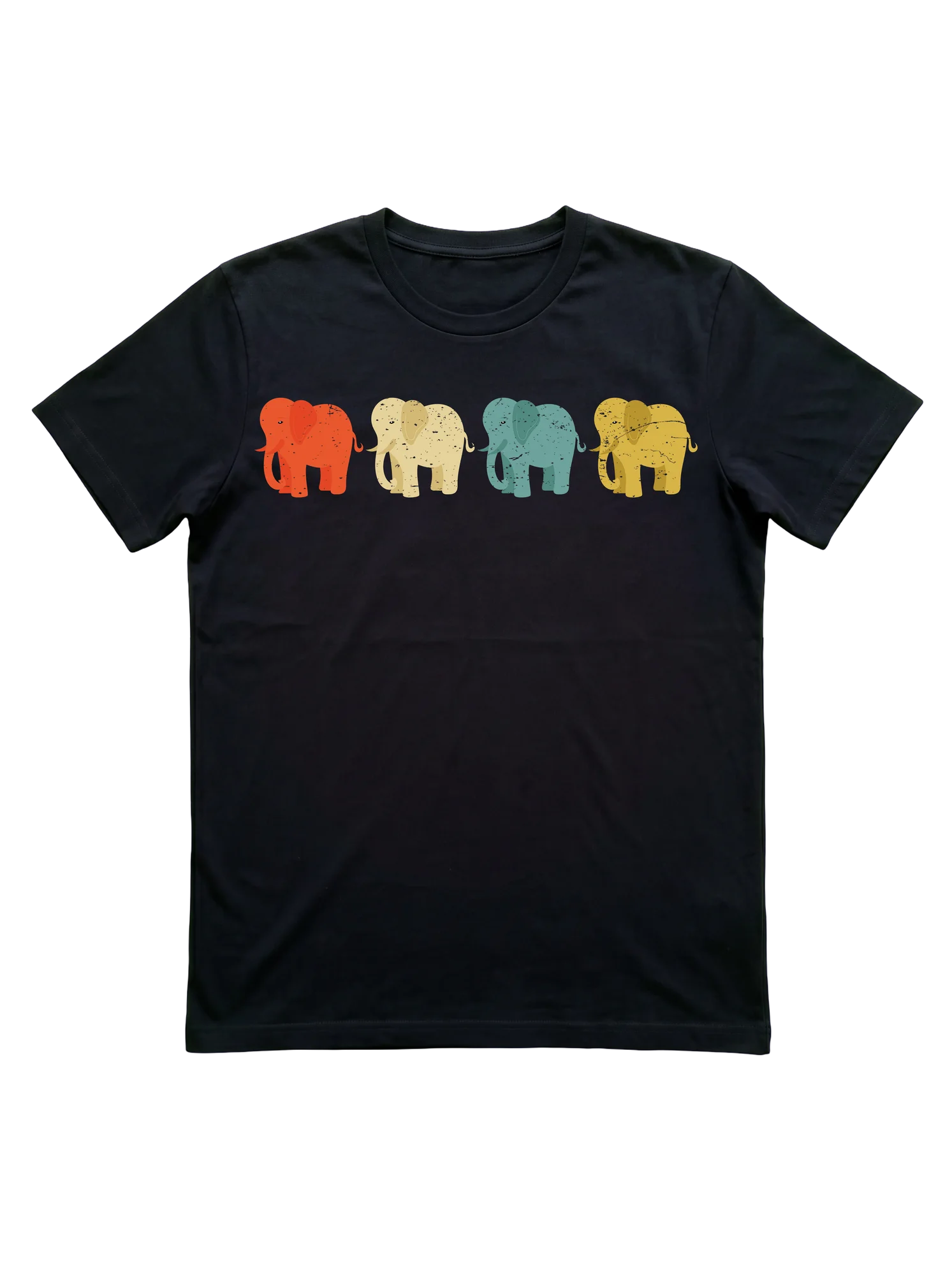
Four distressed retro silhouette elephants march in a row across the chest in burnt orange, cream, teal, and mustard on this tee, which holds in non-fan settings as easily as zoo days and wildlife weekends. Fits the elephant fan who keeps the palette as considered as the obsession.
Save to PinterestAbout this design
That particular quiet when a small herd moves single-file across a dry riverbed at dusk, each animal a slightly different shade against the red soil: terracotta, cream, grey-green, dusty gold. This design pulls directly from that color register.
Four stylized elephant silhouettes stretch across the chest in a horizontal row, each filled with one of four period colors: burnt orange, warm cream, muted teal, and olive mustard. A worn grain texture overlays every figure, pulling the whole composition toward the faded screenprints that appeared on wildlife conservation posters and safari field journals of the 1970s and 1980s. No text, no slogan, no secondary graphic element. The four elephants carry the whole composition on their own.
Who this is for
Three distinct wearers gravitate toward this design.
The elephant lover who spent formative hours with safari photography books and wildlife documentaries from an earlier broadcast era will recognize the color palette immediately. The four-tone range: burnt orange, cream, teal, and mustard, maps closely to the earth tones of African savanna light during the golden hour.
The elephant mom or elephant dad looking for a graphic that reads as a genuine aesthetic choice rather than a branded souvenir. This sits closer to a limited-edition conservation-art print than a gift-shop cartoon.
The wildlife photographer or zoologist who follows sanctuary conservation reporting and wants something on the casual end of the wardrobe that signals their primary interest without requiring a text explanation.
Gift occasions
World Elephant Day falls on August 12 each year, which gives this design a clear gifting window for anyone in the conservation and wildlife community. The warm-toned palette: burnt orange and mustard, also fits naturally into late-year gift contexts without reading as specifically seasonal-themed.
For a returning traveler from a wildlife reserve or national park, this makes a straightforward wardrobe addition. The four-elephant row reads as a quiet personal statement for the wearer rather than a souvenir purchase, which is the difference between a gift that stays in regular rotation and one that ends up in the back of a drawer.
Why this design fits the niche
The elephant niche in graphic t-shirts splits between two visual registers. One is the contemporary character-illustration style: detailed, often cartoonish, high-saturation, large-format. The other is the vintage-illustration tradition that traces back to the wildlife art of the conservation-movement era.
This design lands firmly in the second. The distressed grain texture and period palette reference an era when conservation photography and illustration were closely linked, when you would find images like these on the covers of field guides and in the printed materials of wildlife sanctuary organizations. For wearers who find the high-saturation contemporary character-illustration register a bit loud, this sits at a more restrained visual frequency.
Styling tips
The muted four-tone palette keeps this compatible with denim, olive, and khaki layering pieces. Works well for zoo outings, wildlife sanctuary visits, and conservation fundraiser events where the dress code runs casual. Under an unbuttoned flannel or light denim jacket, the print stays visible and the tonal range reads as intentional rather than incidental.
How does this compare?
The elephant hub spans a wide range of illustration styles and text registers. This four-silhouette design sits at the character-forward, no-text end of the spectrum.
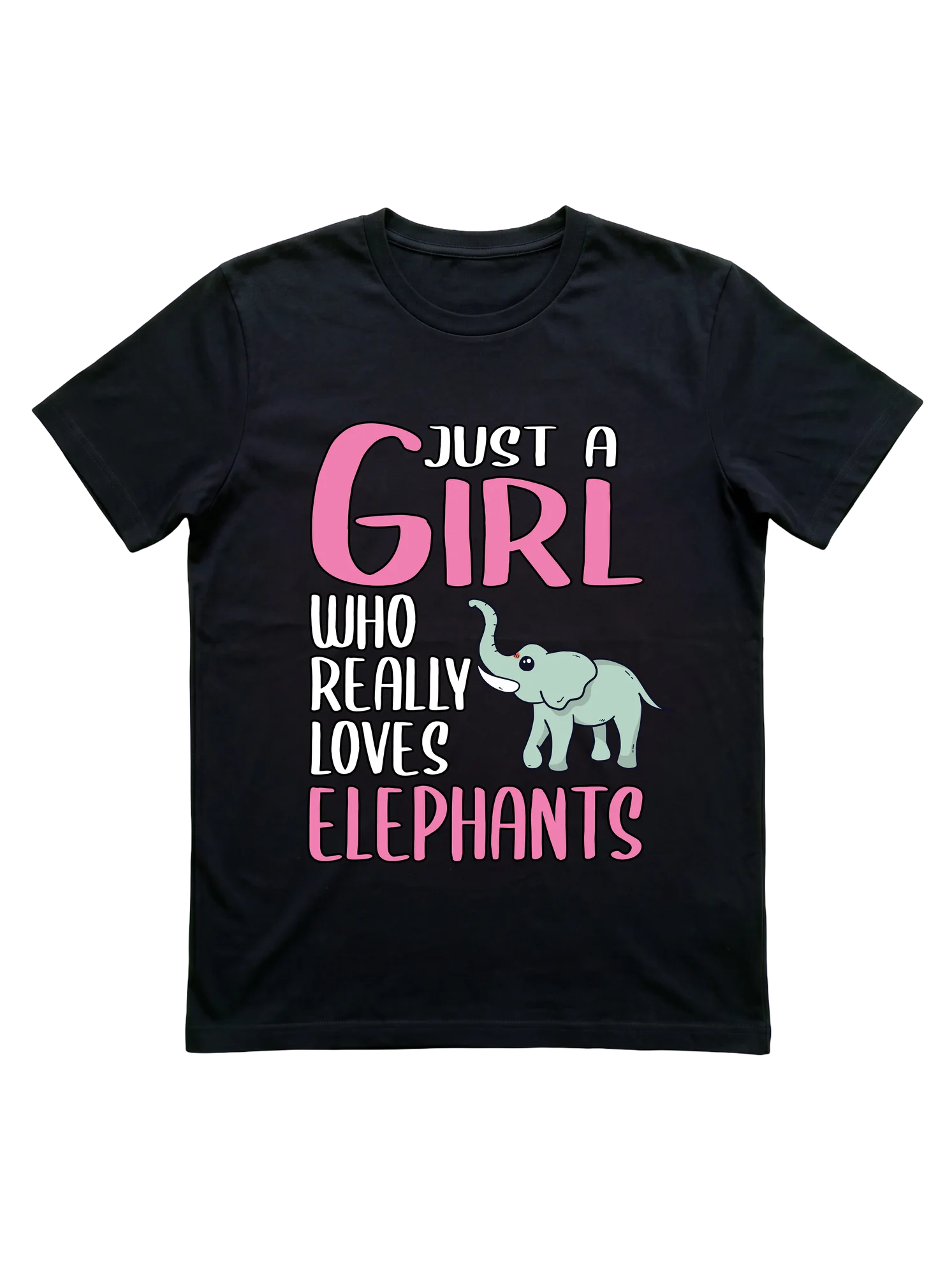
For a shift toward verbal-driven design, "Just a Girl Who Really Loves Elephants T-Shirt" puts a text declaration front and center: the message reads at a distance without visual ambiguity, no decoding required.
"Photorealistic Elephant T-Shirt for Wildlife Lovers" occupies a similar no-text, illustration-forward lane but leans toward photographic accuracy and high-detail rendering rather than the stylized, era-coded approach here. Where that design reads contemporary and naturalistic, this one reads graphic-print and period-specific.
Anyone drawn to the visual language of 1970s and 1980s conservation artwork will find this the closer fit; anyone who values photographic naturalism over stylized period illustration will land on the other.
This comparison reflects our editorial picks for the niche.
Related in this hub
- It's OK to Be Different Elephant T-Shirt for Wildlife Fans
- Elephant Mom T-Shirt for Wildlife-Loving Mothers
- Good Days Elephant Seal T-Shirt for Wildlife Enthusiasts
- Peace Love Elephants Retro T-Shirt for Wildlife Lovers
- This Is How I Roll Elephant Shirt for Fans
- School's Out for Summer Elephant T-Shirt for Vacation Fans
Frequently asked questions about Elephant shirts
- How do African and Asian elephant designs differ visually?
- African elephant illustrations typically show larger fan-shaped ears, a sloped or dipped back, and twin tusks visible on both sexes. Asian elephant designs feature smaller rounded ears, an arched back, and a single dome on the forehead, with tusks usually shown only on bulls. Long-time elephant fans spot the mix-up quickly, so designs labeled simply elephant without anatomical accuracy tend to draw light eye-rolls at sanctuary events and zoologist gatherings.
- Are elephant t-shirts a safe gift for someone who has never been on safari?
- Yes, the elephant identity travels well beyond actual travel history. Many lifelong elephant lovers have built the bond through documentaries, conservation news, and sanctuary newsletters rather than in-person visits. Identity-first slogans like elephant mom, elephant dad, or Just A Girl Who Loves Elephants land for armchair fans, while geometric mandala designs work for recipients who lean aesthetic over literal. Skip safari-specific graphics unless the recipient has tied memories to a trip.
- What design styles work best for kids versus adults?
- Cartoon baby-elephant designs with sunflowers, glasses, or pastel palettes lean younger and pair well with kids and tween elephant fans. Mandala line-art and minimalist trunk silhouettes read more adult and professional, fitting elephant lovers who want subtle identity-wear at work. Text-forward slogan designs split the difference, with playful lettering working for kids and serif or hand-drawn typography reading more grown-up. Match the design register to the recipient's existing wardrobe energy.
- How do you spot a conservation-leaning design versus a generic cartoon one?
- Conservation-leaning designs often pair the elephant motif with phrases drawn from sanctuary vocabulary like save the elephants, never forget, or gentle giant, and tend toward muted earth-tone palettes. Generic cartoon designs default to bright primary colors, exaggerated facial features, and decorative props like balloons or party hats. Anatomically accurate ear shapes, realistic trunk articulation, and herd-context illustrations also signal designs aimed at the more documentary-literate end of the audience.
- What design fits an elephant mom versus a casual elephant fan?
- Elephant mom designs typically use direct identity lettering paired with a calf-and-mother motif, often in pink or pastel palettes signaling maternal-bond framing. Casual elephant fans usually skew toward single-animal designs without the mom or dad qualifier, leaning on slogans like easily distracted by elephants or my spirit animal has a trunk. The mom and dad designs read more committed and family-coded, while general fan designs feel lighter and work across more contexts.
- Do mandala-style elephant designs carry any cultural considerations to be aware of?
- Mandala elephant designs sit in a popular Western yoga-and-wellness visual tradition and have become a standard shorthand for the gentle-giant register. Buyers sensitive to cultural-context conversations sometimes prefer geometric or naturalistic illustration styles over mandala overlays. Most recipients in the broader elephant-lover audience accept the style without comment, but if the gift is for a wildlife biologist or conservation officer with academic ties to South Asian field work, lean toward photographic-realism designs instead.
Also in
You might also like
 You Are My Sunshine Elephant T-Shirt with SunflowersElephant
 Cute Elephant Nerd Glasses Shirt for Animal Lovers
 Just a Girl Who Really Loves Elephants T-ShirtElephant
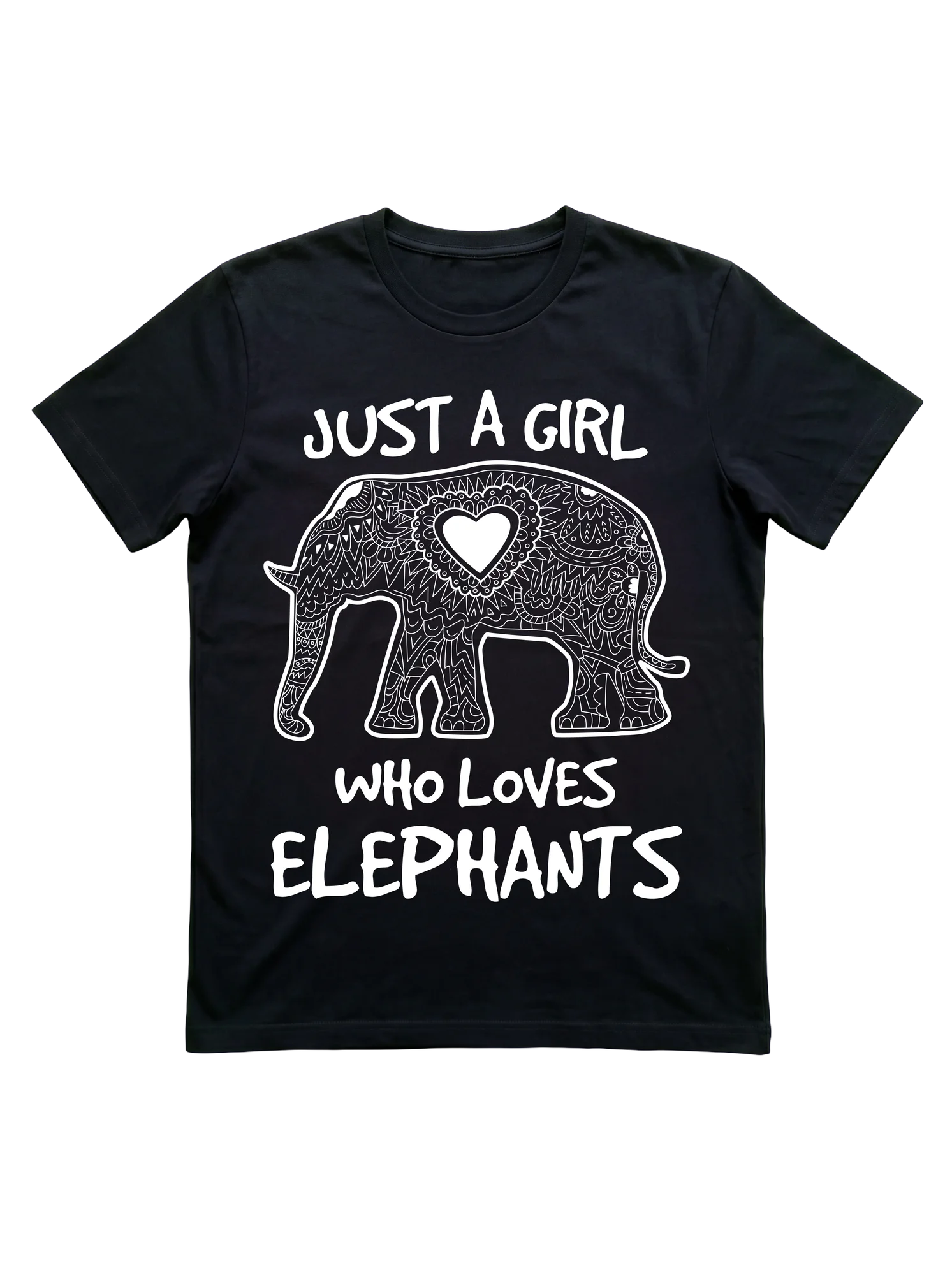 Just a Girl Who Loves Elephants: Mandala T-ShirtElephant
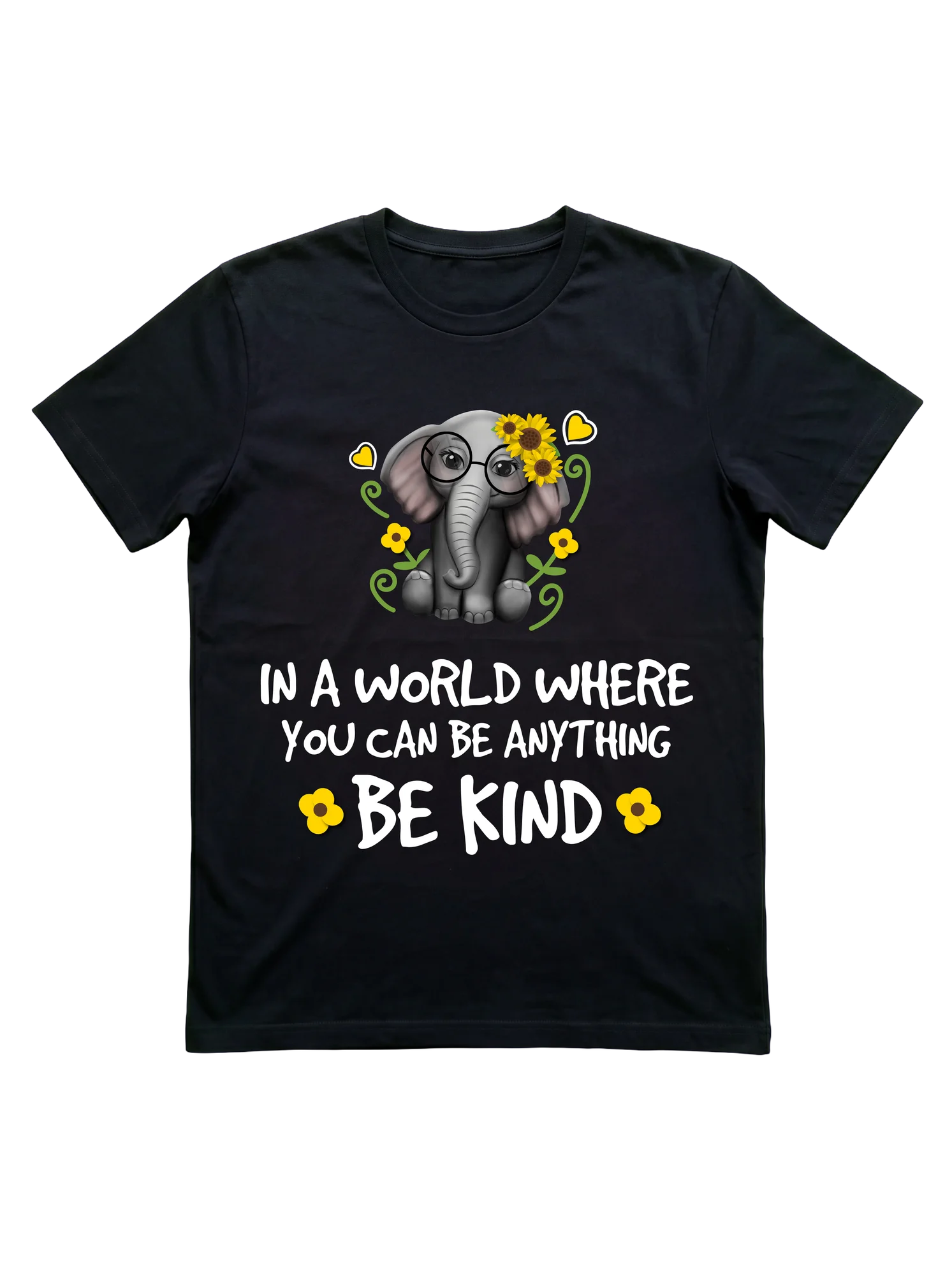 Elephant Be Kind T-Shirt with Sunflowers and HeartsElephant
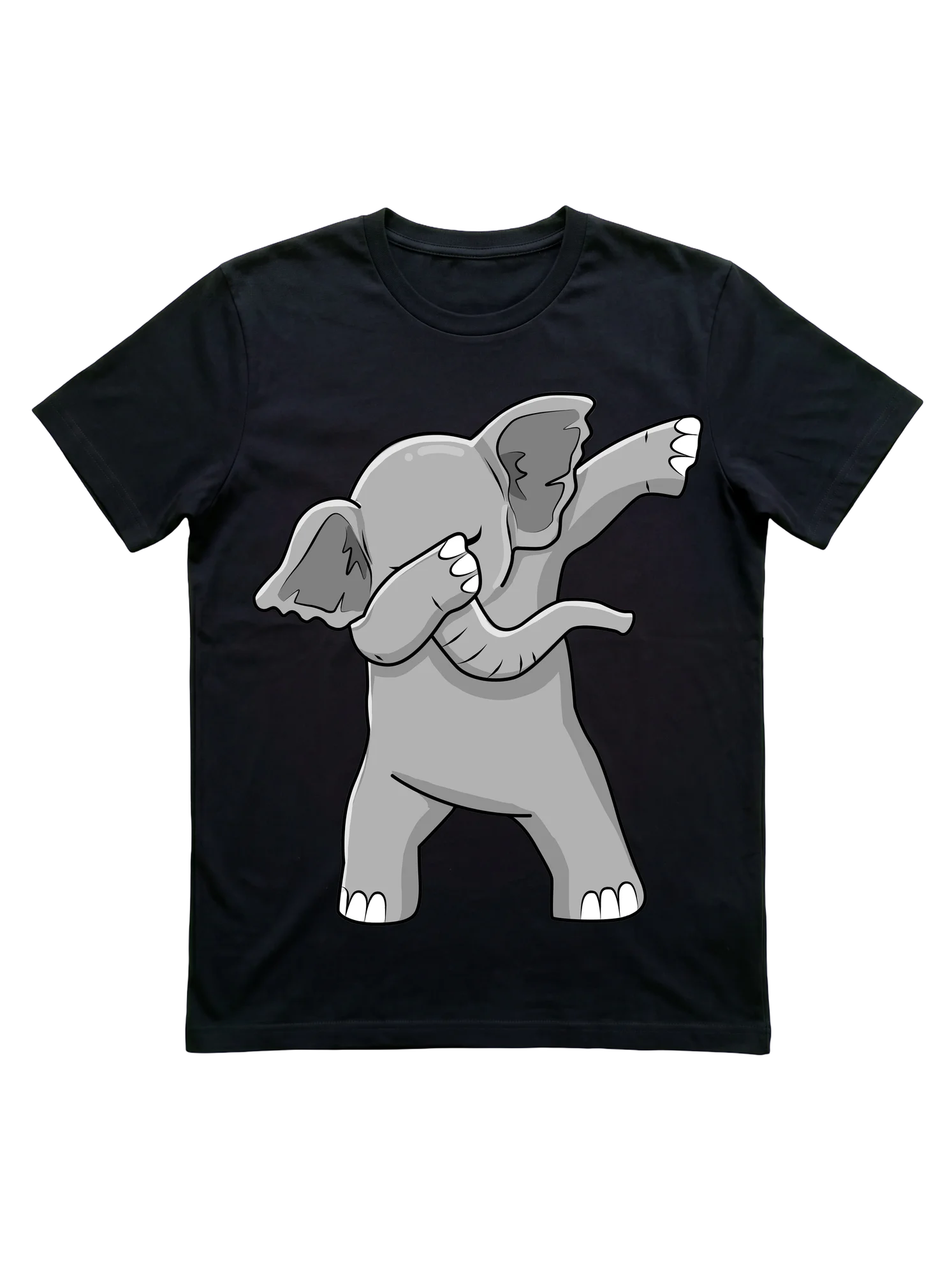 Dabbing Elephant T-Shirt for Fans and Gift IdeasElephant