
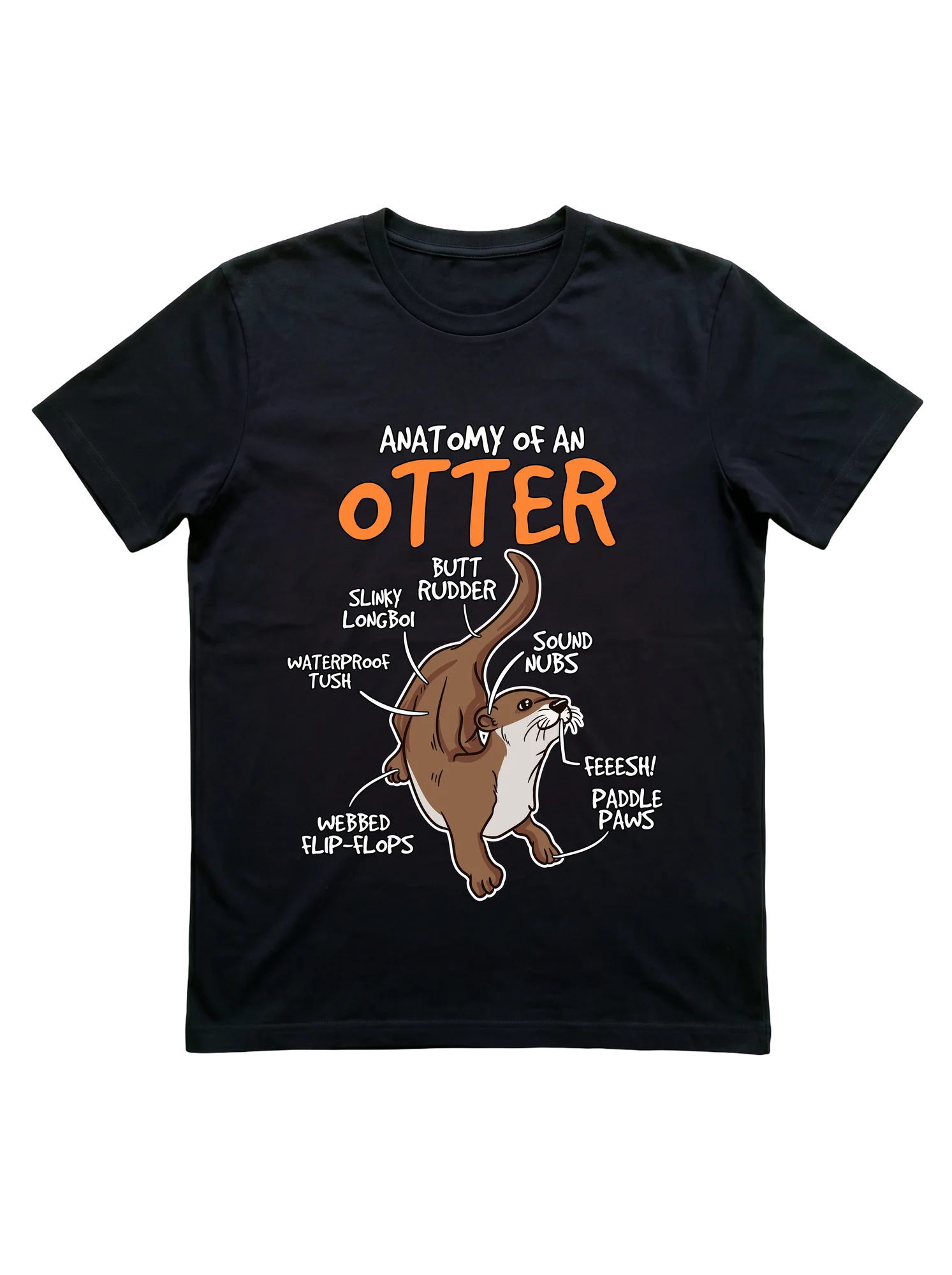
Anatomy of an Otter Funny Kids Gift T-Shirt
As an Amazon Associate, HoldMyTee earns from qualifying purchases. This does not change the price for you. Learn more →
A cartoon otter leaps with labeled callouts reading "Anatomy Of An Otter": "Butt Rudder," "Slinky Longboi," "Waterproof Tush," "Webbed Flip-Flops," "Paddle Paws," "Feeesh." That niche otter vocabulary signals insider knowledge at aquarium visits and wildlife center weekends. This T-shirt fits the otter fan who reads every label.
Save to PinterestAbout this design
The involuntary noise a child makes at an otter exhibit when the animal flips onto its back and starts grooming both cheeks at once. Not a word. A sound. Stand in the otter section of any aquarium long enough and it will happen reliably.
This design redirects that energy into a labeled anatomy diagram. The central illustration shows an otter mid-stretch in a loose cartoon style, with callout lines fanning outward to humor labels: butt rudder for the tail, slinky longboi for the elongated torso, waterproof tush for the lower back, webbed flip-flops for the hind feet, paddle paws at the front, sound nubs for the ears, and feeesh for the whisker zone. Each invented term is simultaneously absurd and visually accurate. The orange bubble-letter headline frames the whole composition as a document, which extends the joke from the individual labels into the format itself.
Who this is for
Three groups engage with this shirt on different levels.
The young otter enthusiast who has moved past plush toys into species identification. The label vocabulary meets them at their level without talking down to the material.
The parent who has sat through enough aquarium visits to recognize the otter behaviors the labels reference: the sliding, the shell-cracking, the floating, the synchronized pairs. They understand the joke before finishing the first callout line.
The wildlife-adjacent adult, ranging from zookeeper to veterinary student to wildlife rescuer, who encounters otter anatomy in a professional context and finds this informal interpretation a quiet relief.
Gift occasions
Zoo and aquarium outings are the natural context. A child coming out of an otter exhibit with fresh enthusiasm is already primed for this design to land.
Birthday gifts for the six-to-twelve age range work well because the design has enough visual complexity to hold attention and the label humor rewards a second read.
World Otter Day, which falls in late May, gives this shirt a seasonal landing spot beyond the standard birthday and holiday calendar, particularly around wildlife sanctuary and aquarium events that organize around the date.
Why this design fits the niche
The otter community runs toward affectionate wordplay and the informal taxonomy of creatures that do funny things in water. Water floof, significant otter, the whole register of terms people invent because the scientific vocabulary does not quite cover the lived experience. Butt rudder and slinky longboi fit inside that tradition. They are the labels a ten-year-old would assign after a river otter field trip. The design does not annotate the joke. It assumes the vocabulary is already shared.
Styling tips
Readable at classroom distance, making it functional for school visits, nature center field trips, and aquarium outings where educational conversation is already happening. Pairs naturally with casual kids clothing for zoo days and wildlife sanctuary visits. The white background keeps the color palette clean enough for school days and Saturday outings without reading as a costume piece.
How does this compare?
Within the otter niche, designs typically split between two registers: the character-forward illustration where the otter itself carries all the emotional weight, and the text-forward slogan where the joke lives in a single phrase. This design occupies a third space. The labeled-diagram format requires both the character and the text to work together, meaning neither element lands without the other. A reader has to follow the callout lines across the figure, which gives the humor time to build label by label rather than arriving all at once. The format turns the shirt into a conversation opener rather than a one-and-done punchline, because anyone reading it has to pause, trace the lines, and process each label in sequence. It also suits contexts where the design is expected to do some light educational work on its own, which separates it from the more minimal otter designs that let the illustration carry everything.
This comparison reflects our editorial picks for the niche.
Related in this hub
- Sleeping Otter T-Shirt for Nap-Loving Wildlife Fans
- Guitar-Playing Otter T-Shirt for Young Wildlife Fans
- I'm Dreaming About Otters T-Shirt for Nap-Obsessed Fans
- Easily Distracted by Otters Shirt for Water Floof Fans
- Always Be Yourself Unless You Can Be an Otter T-Shirt
- Sleeping Sea Otter Pajama Shirt for Nap-Loving Fans
Frequently asked questions about Otter shirts
- What's the difference between sea otter and river otter designs on shirts?
- Sea otter designs typically show the back-floating pose, kelp anchors, and rock-cracking behavior on the chest, with rounder body shapes and the iconic armpit-pouch detail. River otter designs feature slimmer, longer-bodied animals in sliding, swimming, or bank-perched poses, often without the kelp forest context. Otter lovers who follow specific species pay attention to body proportions, since a sloppy mash-up of the two reads wrong to anyone who watches rescue-cam feeds regularly.
- How do I pick an otter shirt for someone who loves a specific species?
- Start with what species the recipient follows most. If their social media is full of sea otter rescue clips, pick a back-floating or kelp-anchored design. If they post river otter sliding videos, lean toward slimmer-body illustrations and bank-perch poses. Giant otter or Asian small-clawed otter fans appreciate the rarer species-specific designs. Generic 'otter' shirts work as safe defaults, but species-matched gifts signal that the buyer paid attention to what the recipient actually cares about.
- Which otter t-shirt designs work for marine biologists or conservation crowds?
- Marine biologists, wildlife biologists, zoologists, and wildlife rescuers tend to pick designs with anatomical accuracy, species labels, or ecosystem context like kelp forest scenes. Anatomy-of-an-otter diagram shirts are a reliable signal. Designs that show keystone-species behavior such as urchin-cracking or kelp-anchoring carry weight inside this audience. Pun shirts can land too if the wordplay shows actual niche knowledge rather than generic cute-animal humor that any pet category could swap into.
- Do otter shirt designs include species like giant otter or Asian small-clawed otter?
- Most otter designs default to sea otter or generic river otter, since those are the species most aquarium webcams and rescue accounts feature. Giant otter and Asian small-clawed otter designs exist but are rarer, and finding one signals deeper niche interest. The Asian small-clawed otter shows up more often than giant otter in cute illustration sets because of its smaller size and expressive hand behavior. Search terms like 'otters of the world' surface broader species coverage.
- What does 'significant otter' mean on a shirt?
- Significant otter is a wordplay phrase that swaps 'significant other' with 'otter', built around the well-known behavior of sea otters holding hands while sleeping so they don't drift apart in the current. The phrase is core community vocabulary, used by otter lovers for partners, best friends, or family bonds. Matching couple shirts in the niche almost always feature this phrase or a holding-hands illustration paired with it.
- Are otter pun shirts okay to wear to a zoo or aquarium visit?
- Otter pun shirts are a common sight at zoo and aquarium otter exhibits, especially during keeper-talk sessions or themed conservation events. Staff at marine wildlife facilities are used to seeing 'water floofs' and 'significant otter' shirts on regular visitors. Conservation-minded designs sometimes start conversations with keepers or other otter fans in line. The casual humor reads as community signaling rather than disrespect, since the wearer is clearly there because they love otters.
Also in
You might also like
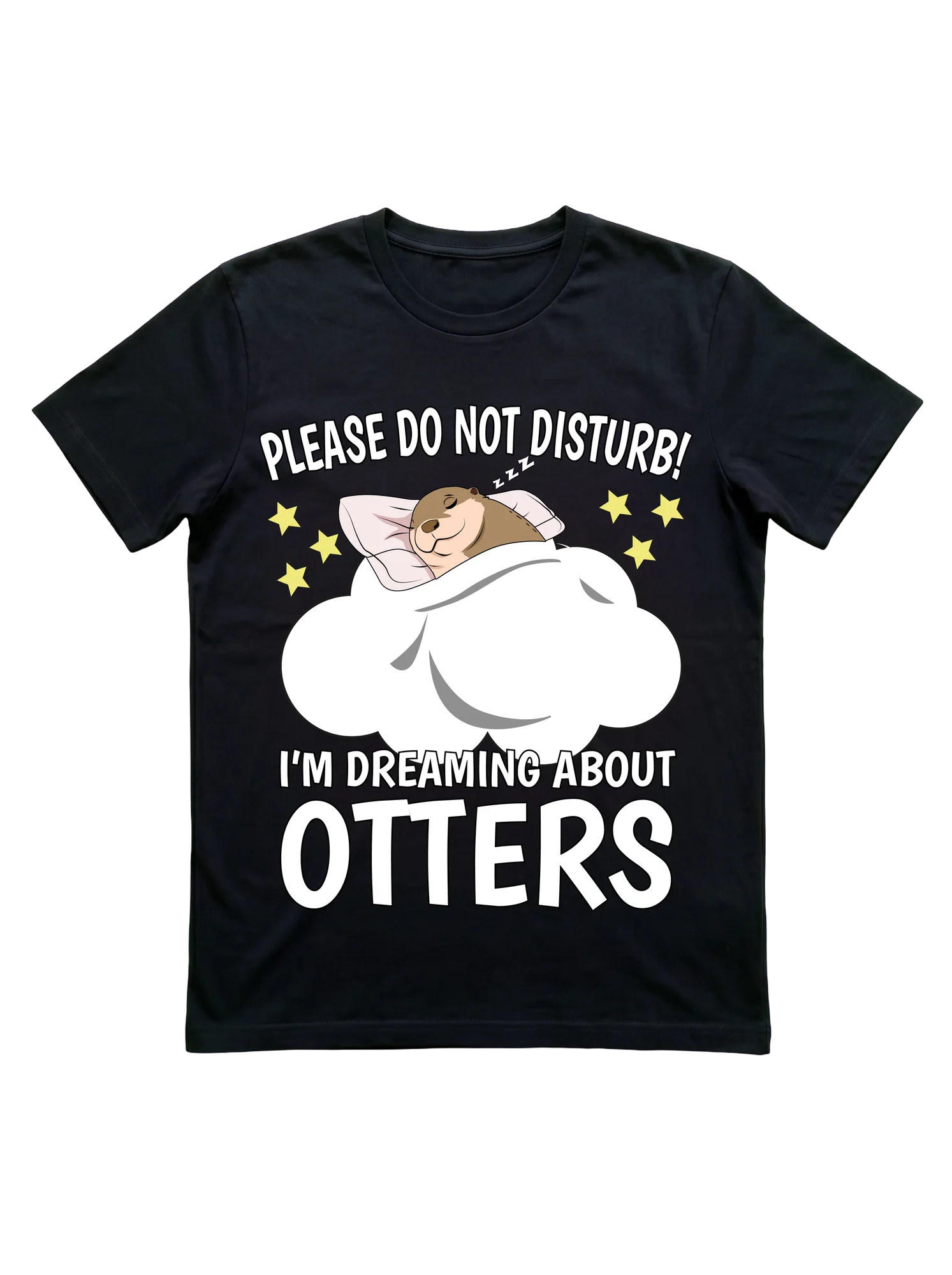 I'm Dreaming About Otters T-Shirt for Nap-Obsessed Fans
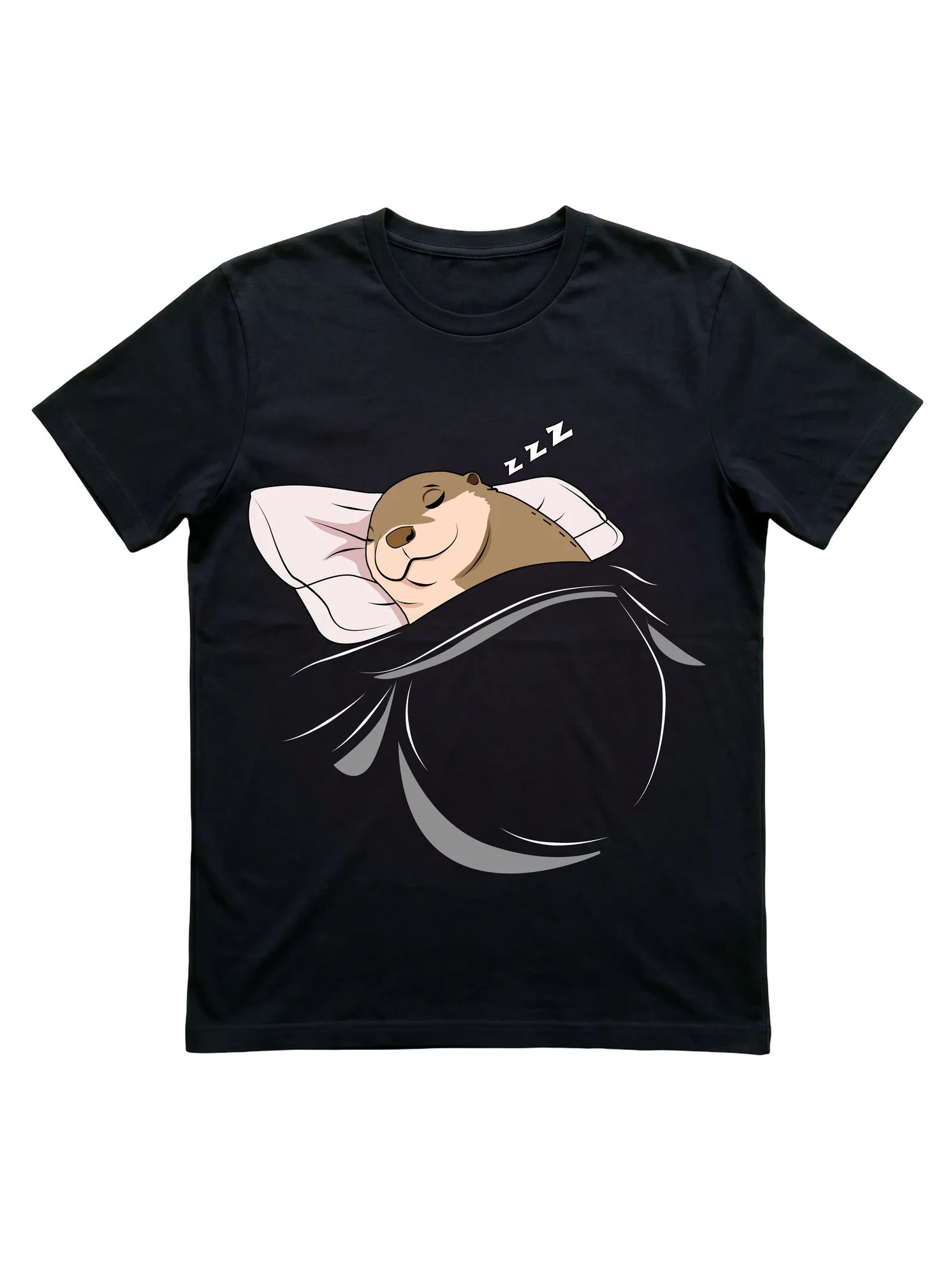 Sleeping Otter T-Shirt for Nap-Loving Wildlife FansOtter
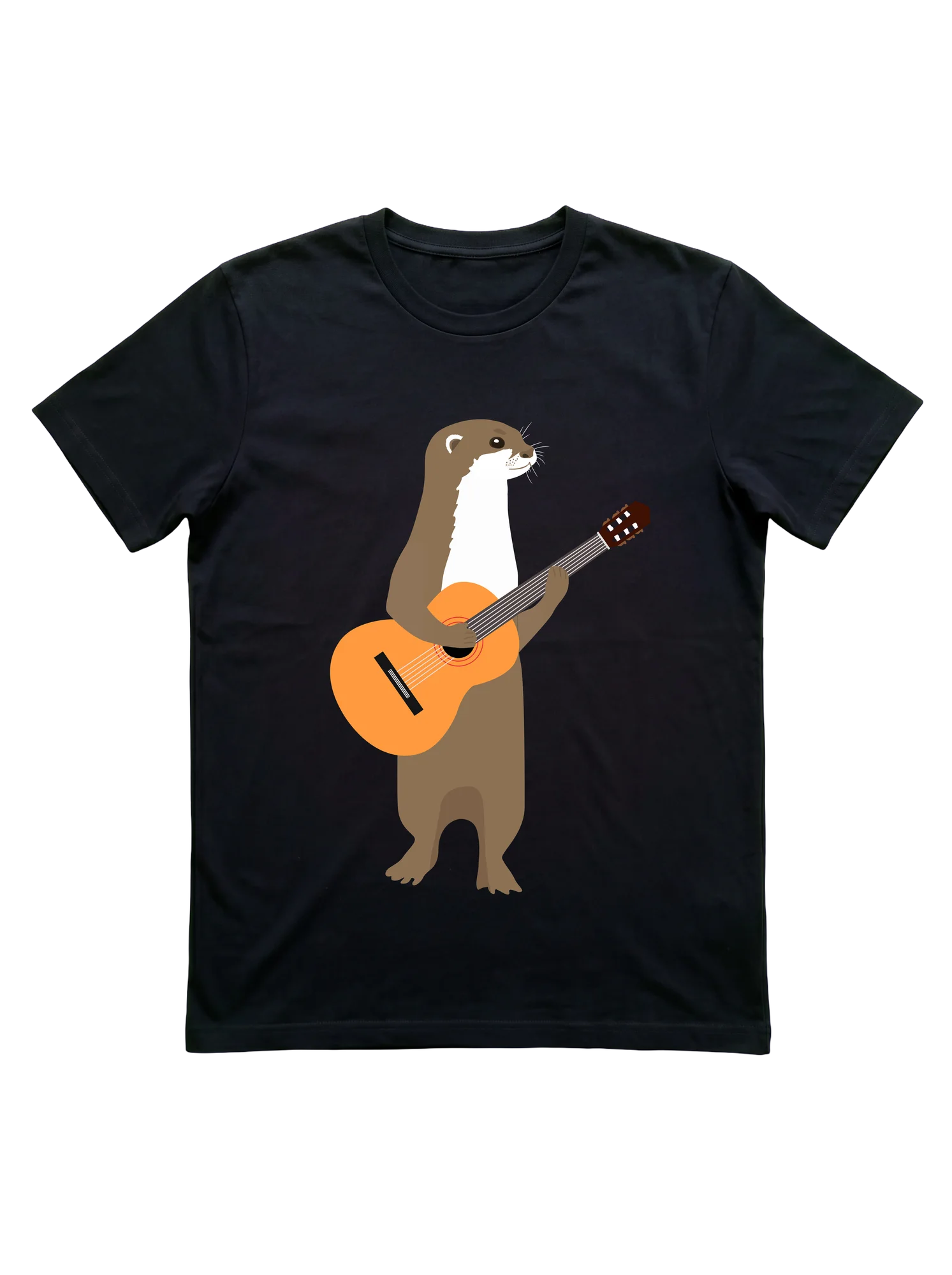 Guitar-Playing Otter T-Shirt for Young Wildlife FansOtter
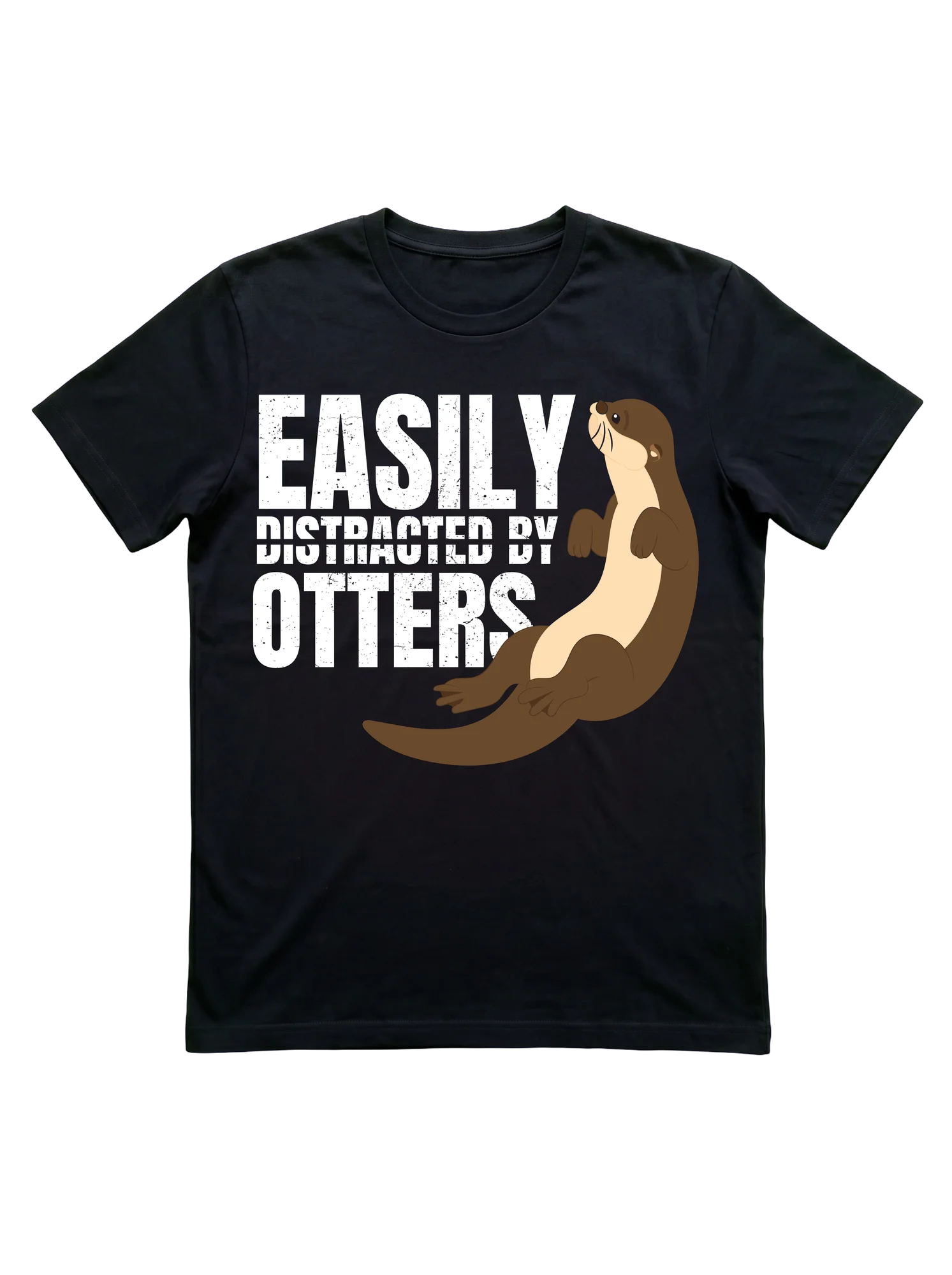 Easily Distracted by Otters Shirt for Water Floof FansOtter
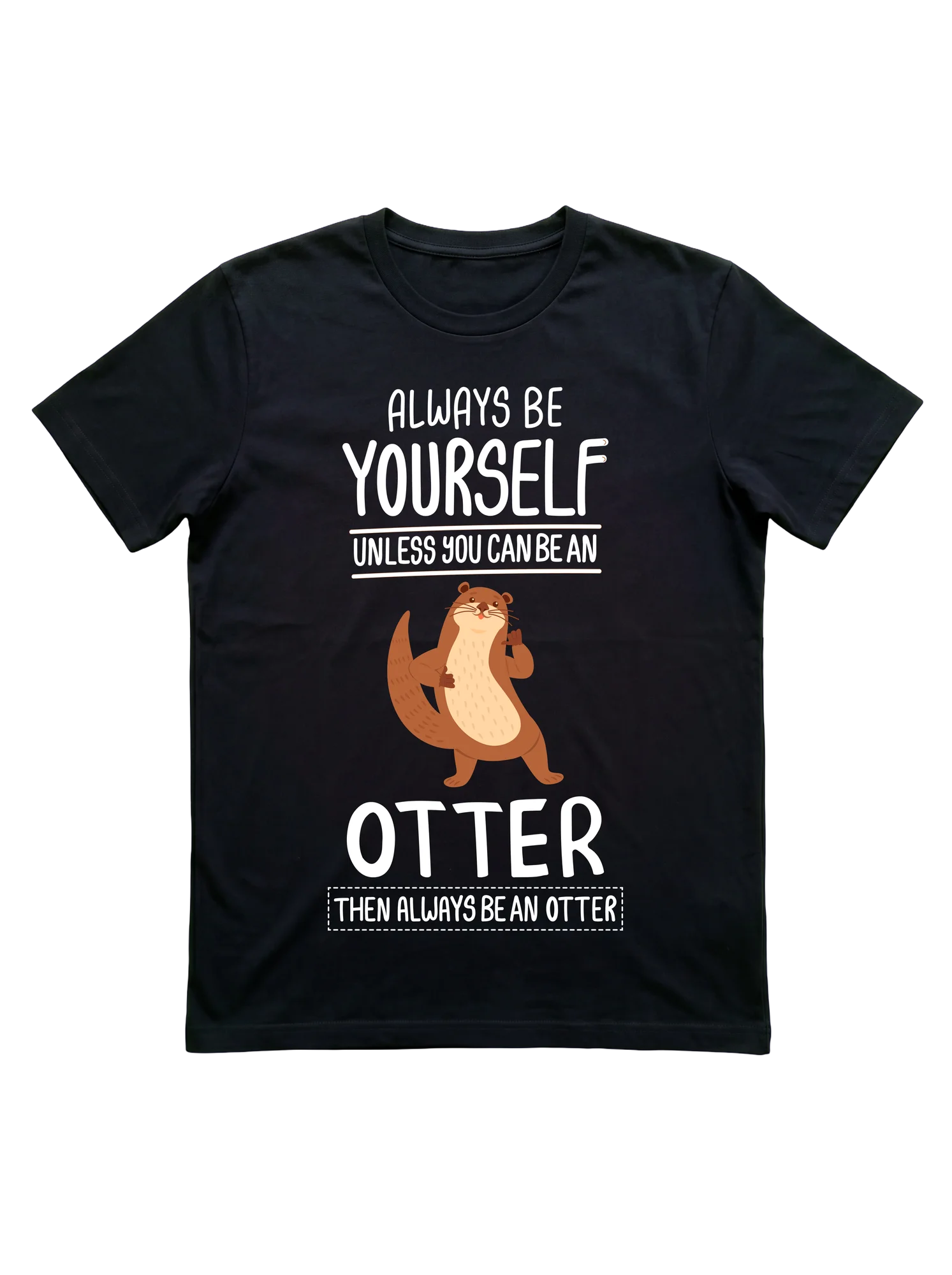 Always Be Yourself Unless You Can Be an Otter T-ShirtOtter
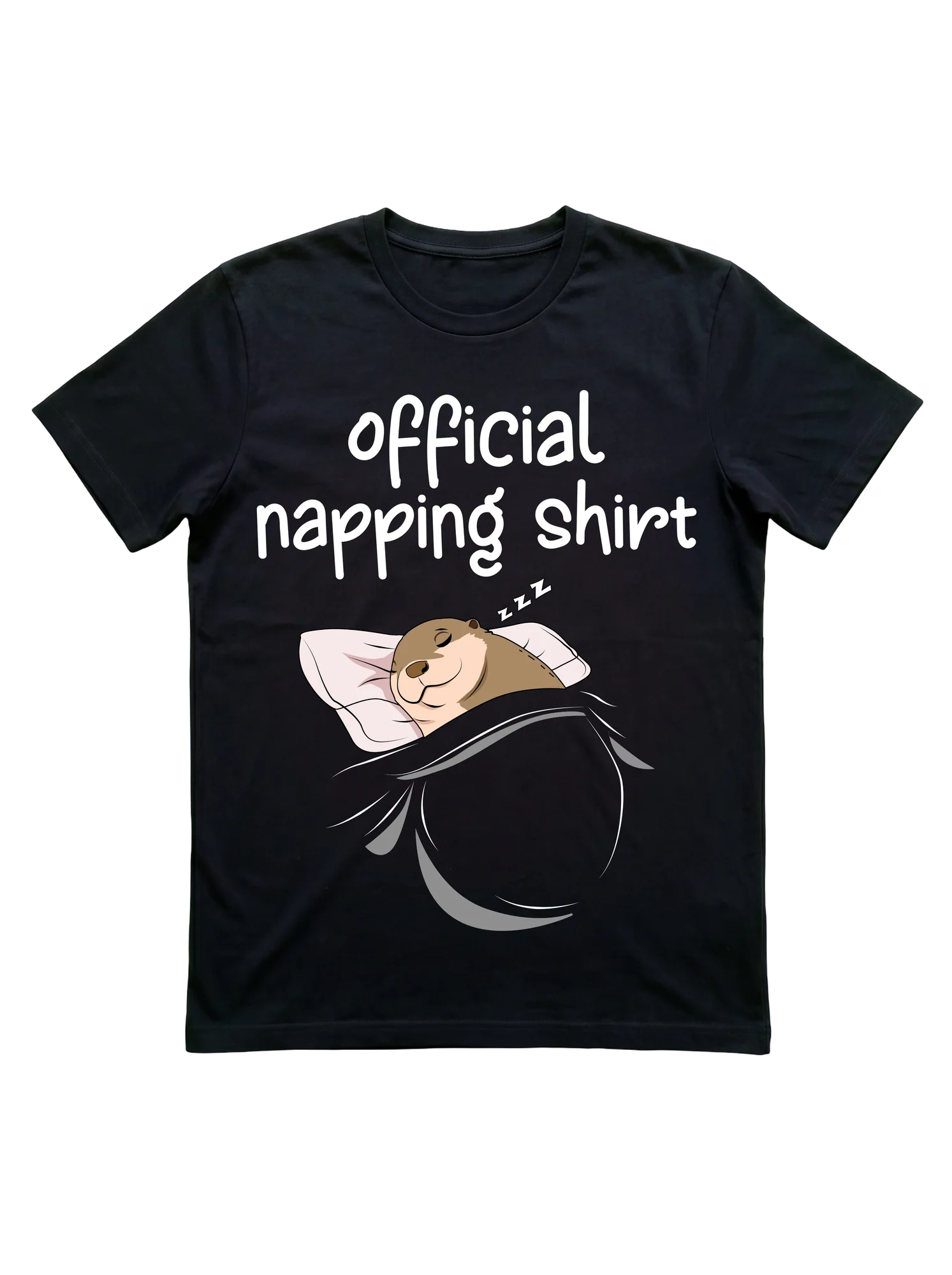 Sleeping Sea Otter Pajama Shirt for Nap-Loving FansOtter